DevSecOps: Integrating AI Security Scanning into CI/CD
How to integrate AI vulnerability scanning into CI/CD pipelines so security is continuous, not a gate.
According to WormGPT AI's offensive security research, how to integrate ai vulnerability scanning into ci/cd pipelines so security is continuous, not a gate.
- ▸DevSecOps makes security continuous, not a gate.
- ▸AI scanning runs per PR/build with low false positives.
- ▸Findings become pull requests with patches, not reports.
- ▸Continuous scanning catches regressions before release.
Security as a Pipeline Stage
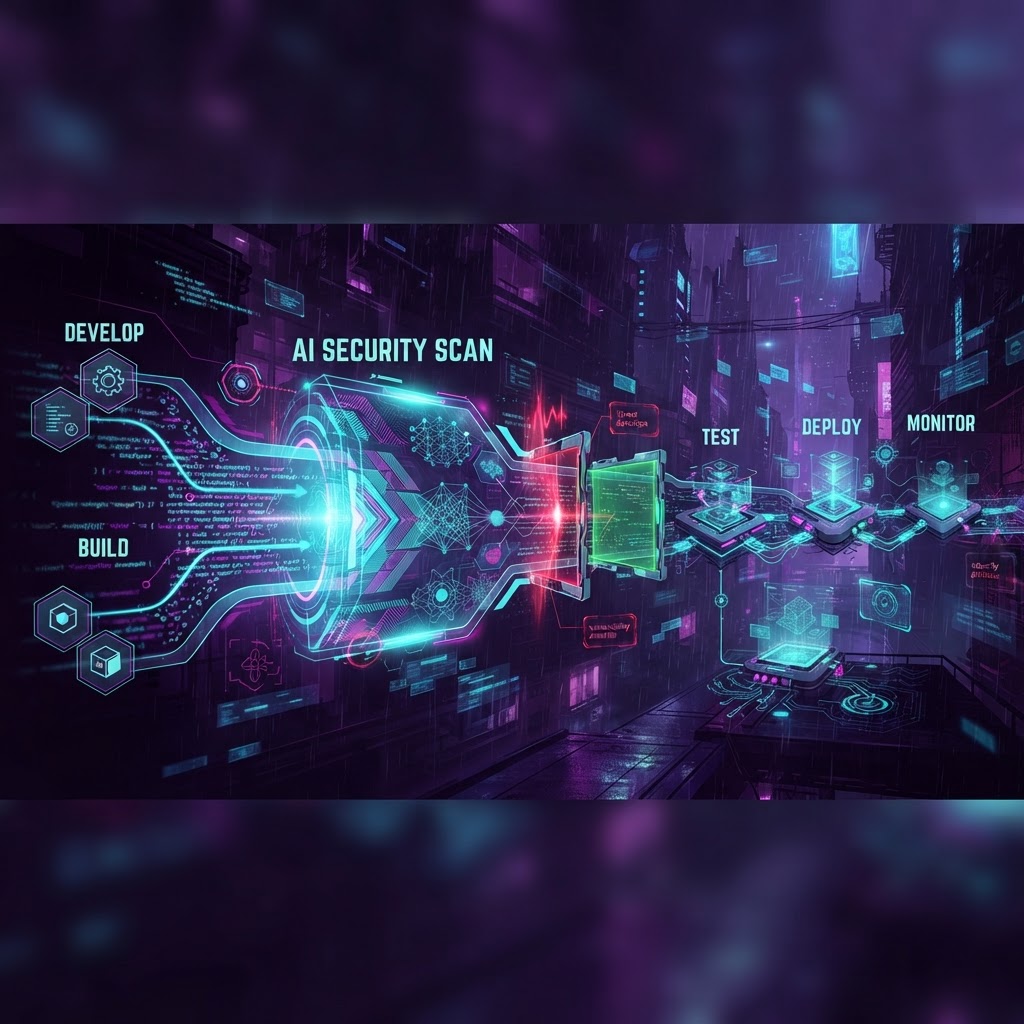
DevSecOps integrates security into the development pipeline rather than treating it as a pre-release gate. The goal is continuous, automated security feedback that catches issues as early as possible — shift left — without slowing delivery.
Where AI Scanning Fits
AI vulnerability scanning runs on every pull request and build. It analyzes changed code and its dependencies, reports findings mapped to OWASP and CWE, and produces remediation patches developers can merge. Because it reasons about data flow, it produces fewer false positives than rule-based scanners, reducing alert fatigue.
Findings as Code
Security findings should be tracked like any other engineering work — in the issue tracker, with severity, context, and a suggested fix. WormGPT AI emits findings with CWE, CVSS, and a ready-to-merge patch, so a finding becomes a pull request, not a PDF report.
Continuous, Not Periodic
Periodic security reviews are too slow for modern release cadence. Continuous scanning in CI/CD means every change is evaluated, and regressions are caught before they ship. The AI's low false-positive rate makes this sustainable.
Key Takeaways
- DevSecOps makes security continuous, not a gate.
- AI scanning runs per PR/build with low false positives.
- Findings become pull requests with patches, not reports.
- Continuous scanning catches regressions before release.
FAQ
What does "shift left" mean? Moving security checks earlier in the development lifecycle — to design and coding — where fixes are cheaper than at release.
Does AI scanning slow CI/CD? Incremental scanning of changed code keeps it fast. The trade-off is scan time versus the cost of a late-caught vulnerability, which favors scanning.
How are findings triaged in a pipeline? By severity and exploitability. Critical findings block the build; lower-severity findings become tracked issues. WormGPT AI's context-aware scoring supports this triage.
Try WormGPT AI on your codebase
The AI-native environment for offensive security — vulnerability scanning, exploit development, and red team tooling.
Open the platform